
Authentic Gluten-Free Spaetzle (German Egg Noodles)
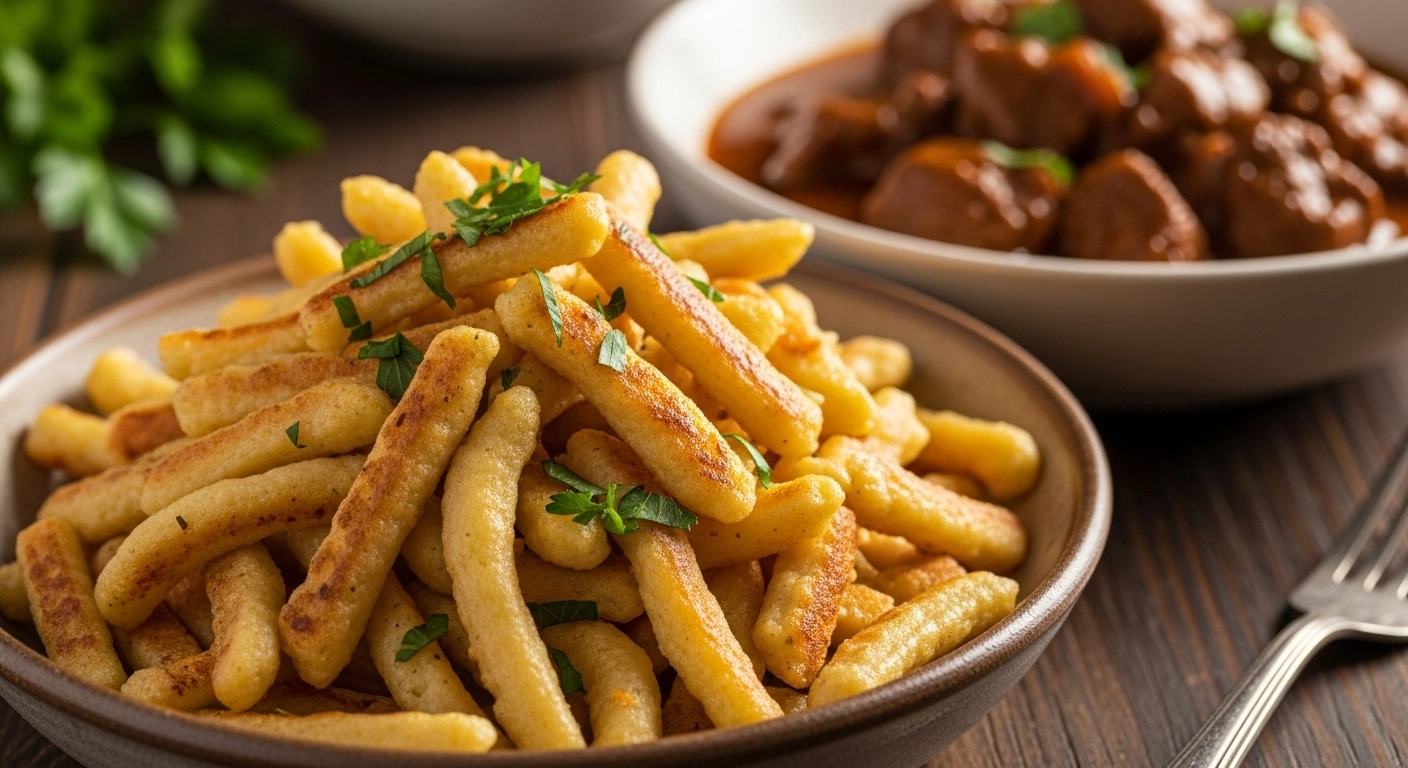
This is a savory style German noodle/dumpling, goes great with pot roast. This recipe, which relies on a well-balanced gluten-free flour mix and extra eggs to capture the chewy texture so characteristic of amaretti, results in classic rustic, uneven forms. Ideal as a warm accompaniment for soups, goulash or pan-fried in butter and cheese together for the classic Käsespätzle.
Ingredients
Directions
Make the Batter: In a large bowl, whisk together the gluten-free flour, salt and nutmeg. Create a well in the center.
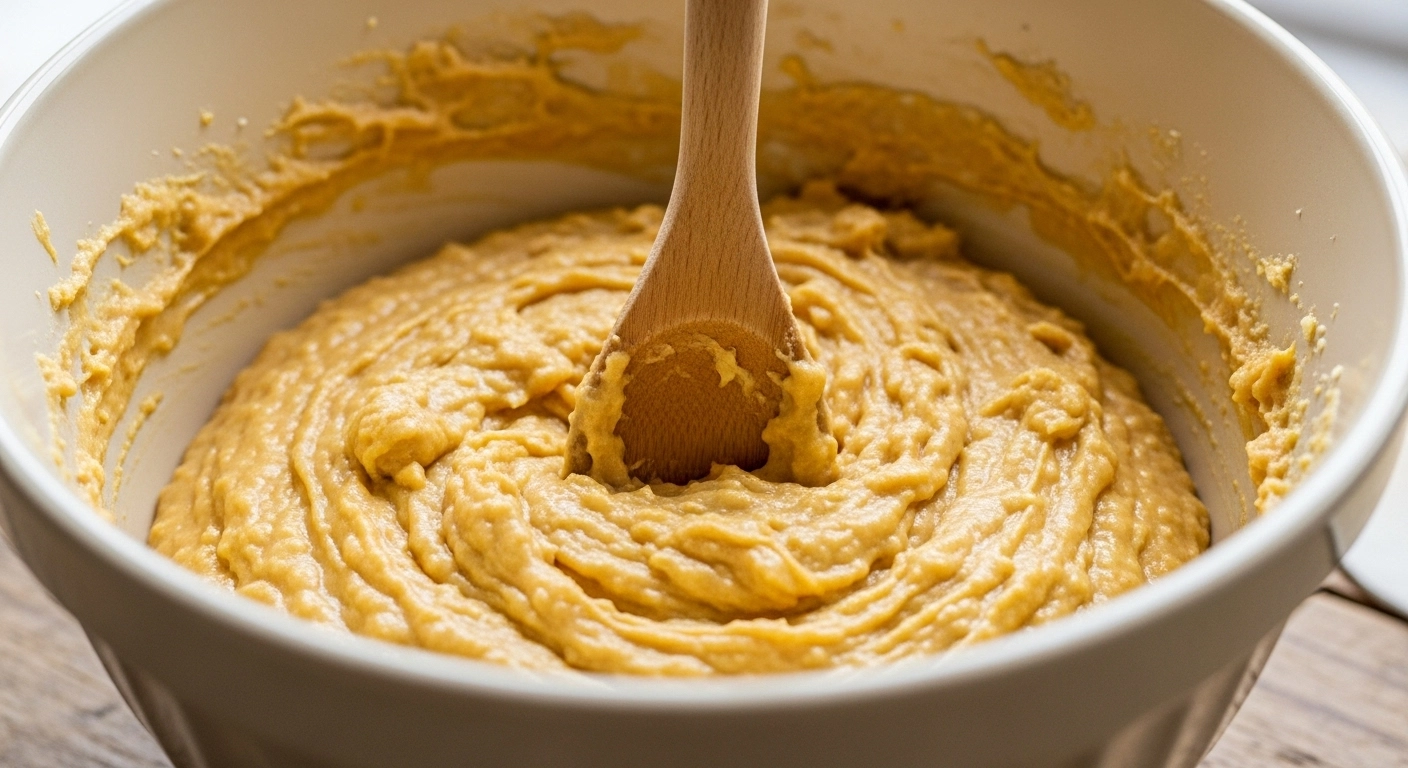
In another medium bowl, mix together beaten eggs and milk.
Tip in the wet mixture and beat well with a wooden spoon or whisk so you have a smooth, very thick & sticky batter. The texture should be something like too-thick-to-pour cement but soft enough to press down. If your batter seems quite dry, add more milk a tablespoon at a time to get the consistency right.
Cover the bowl and let the batter rest at room temperature for a minimum of ½ hour.Stretch Out the Dough: Cover each dough ball with flour, and then stretch it out on parchment paper atop a pizza peel (or lay flat and slide onto a baking sheet) into any shape desired. This is an important step for the gluten-free flours to be hydrated.
Cook the Spaetzle: Bring a large, heavily salted pot of water to a hard rolling boil.
Make the Spaetzle: Divide your work in parts. Position a Spaetzle maker, large-holed colander or even a potato ricer over the boiling water. Dollop about 1/4 of the batter into the maker/ricer.
Either scrape or press the batter through on to the boiling water. Tiny dumplings will fall into the water.
Boil: Stir with a slotted spoon to keep in movement. The Spaetzle will rise to the top after 2-3 minutes of boiling. Once they float to the surface, allow them to cook for roughly 30 seconds more.
Drain and Finish: Skim or remove with a slotted spoon “spider” and transfer to bowl. Repeat with the remaining batter.
Serve: For a lazy ending, melt the butter in a large skillet over medium heat. Add the cooked Spaetzle and toss to coat everything. Add the parsley and black pepper. Remove from the heat and dish it out directly as a side.
Note
Best Tool: Spaetzle is easiest to make with a spaetzle maker, which will ensure that you get the most even shape and size of pasta possible, but if you don’t have one a colander with large (about 1/4 inch) holes or a potato ricer also works well (and may give your spaetzle a more rustic, “Knöpfle” shape).
Käsespätzle: For traditional German cheese spaetzle, layer the cooked noodles in a baking dish with shredded Emmentaler or Gruyère cheese and caramelized onions; bake until the cheese is melted and bubbly.
Nutrition Facts (per serving)
Frequently Asked Questions
What makes my gluten-free spaetzle come out gummy?
Normally, this occurs when the dough is too wet or if the flour/gum wasn’t given time to hydrate during the rest period. Just make sure to measure every ingredient precisely and don’t skip the 30 minute rest. It can also be beneficial to cook them for the full 2-3 minutes, so they really set.
Do I need a spaetzle press?
No, a fancy maker is convenient but not necessary; you can use a large-holed metal colander, a coarse grater or even a potato ricer. The trick is to push the dense, thick batter through the holes directly down into boiling water.
Can I make this dairy-free?
Yes, absolutely. Replace the dairy milk with any unflavored and unsweetened non-dairy milk, such as almond, oat or soy. The recipe is still sound.

.webp)
.webp)
.webp)
.webp)
.webp)
.webp)

LEAVE A COMMENT
Your email address will not be published. Required fields are marked *